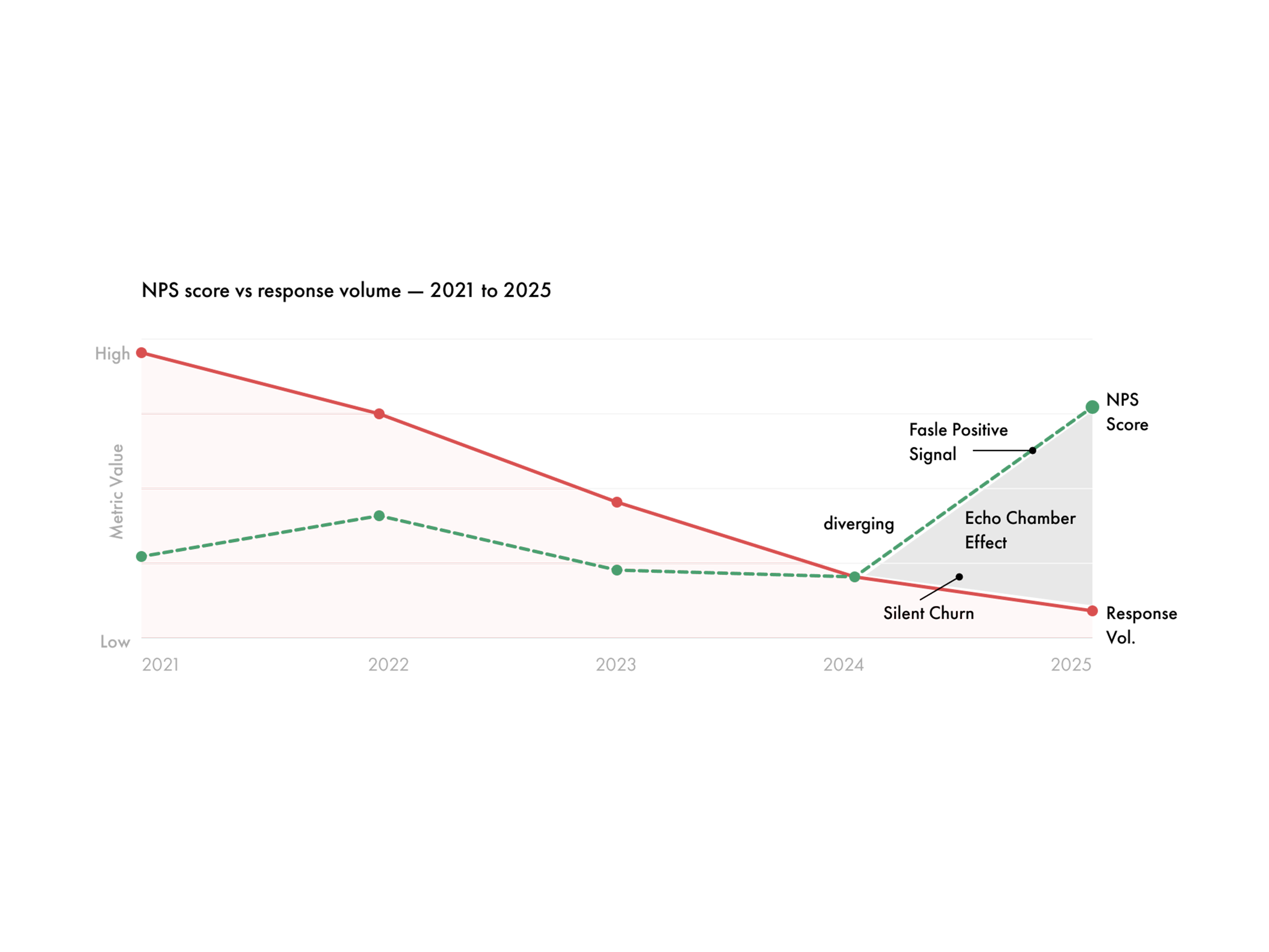
CHOOSING INFRASTRUCTURE
01 - The Brief
A platform migration for a Legacy E-commerce Website is a tough technical project that creates two categories of decisions: those that can be corrected later, and those that cannot.
Theme selection belongs to the second category. Navigation structure, filtering behaviour, PDP architecture, and information hierarchy are all determined at the theme level. Changing them after launch means rebuilding or custom coding — not iterating. The cost of a poor choice compounds over time, and is particularly costly for an organisation with a small front-end and back-end team.
SCOPE - Professional, Shopify Theme Selection
ROLE - Decision Framework, Stakeholder Alignment
Timeframe - April 2026 - 2 Weeks
02 - The Real Problem
The default trajectory were decisions made by assumptions and internal preference — not by evidence.
When the migration was confirmed, multiple teams began evaluating Shopify themes independently. At the surface, the shared priority was clear: give the existing website a complete visual overhaul. But layered beneath that were competing internal needs. Marketing was concerned about visual flexibility. E-commerce managers evaluated catalogue manageability. Shop management considered operational ease. SEO requirements were raised separately. No shared criteria existed, and every team was evaluating themes against assumed user needs.
The teams gravitating toward minimal, visually clean themes were making a reasonable aesthetic judgement in isolation. The problem was that it was the wrong judgement for this specific customer base. Customer research conducted as part of the broader CX diagnostic had established two things clearly:
1
The primary revenue-generating segments are trust-driven and information-dense in their decision-making. They require information depth not editorial simplicity.
2
The product catalogue itself is high-consideration and high-value. Ultra-clean minimalist templates are designed for low-information products. Applying them here would have forced a structural compromise: either strip out the information customers need to decide, or work against the theme's architecture to force in content it was not designed to carry.
A minimalist theme would have looked right and performed poorly. The organisation needed a way to see that before committing.
03 - My Approach
I built an evaluation framework to make the decision criteria explicit before any theme was assessed — anchored in user needs, weighted by what was structurally irreversible versus what could be extended later. This shifted the conversation from competing team preferences to shared evaluation logic.
The recommendation was accepted.
The rest of this case study is protected
The full case study covers the evaluation framework, theme comparison matrix, recommendation rationale, and stakeholder outcome. It contains process detail and unpublished work.